οὐθείς
Multi-agent AI assistant
Any of your AI interactions represents you — queries, patterns, thinking. Over time, the puzzle completes. Not for you, but for the platform operators.
outheis takes a different position: cognitive sovereignty. It is the digital representation of the way you think — persistently on your machine, owned by you.
The reality
The reality
The term captured cognition describes it well: your mental work, externalized through AI interaction, becomes raw material for systems that don't serve you.
Those assistants learn from you. The learning belongs to someone else. This isn't a rejection of AI assistance — it's a rejection of the extractive model that currently dominates.
οὐθείς
οὐθείς
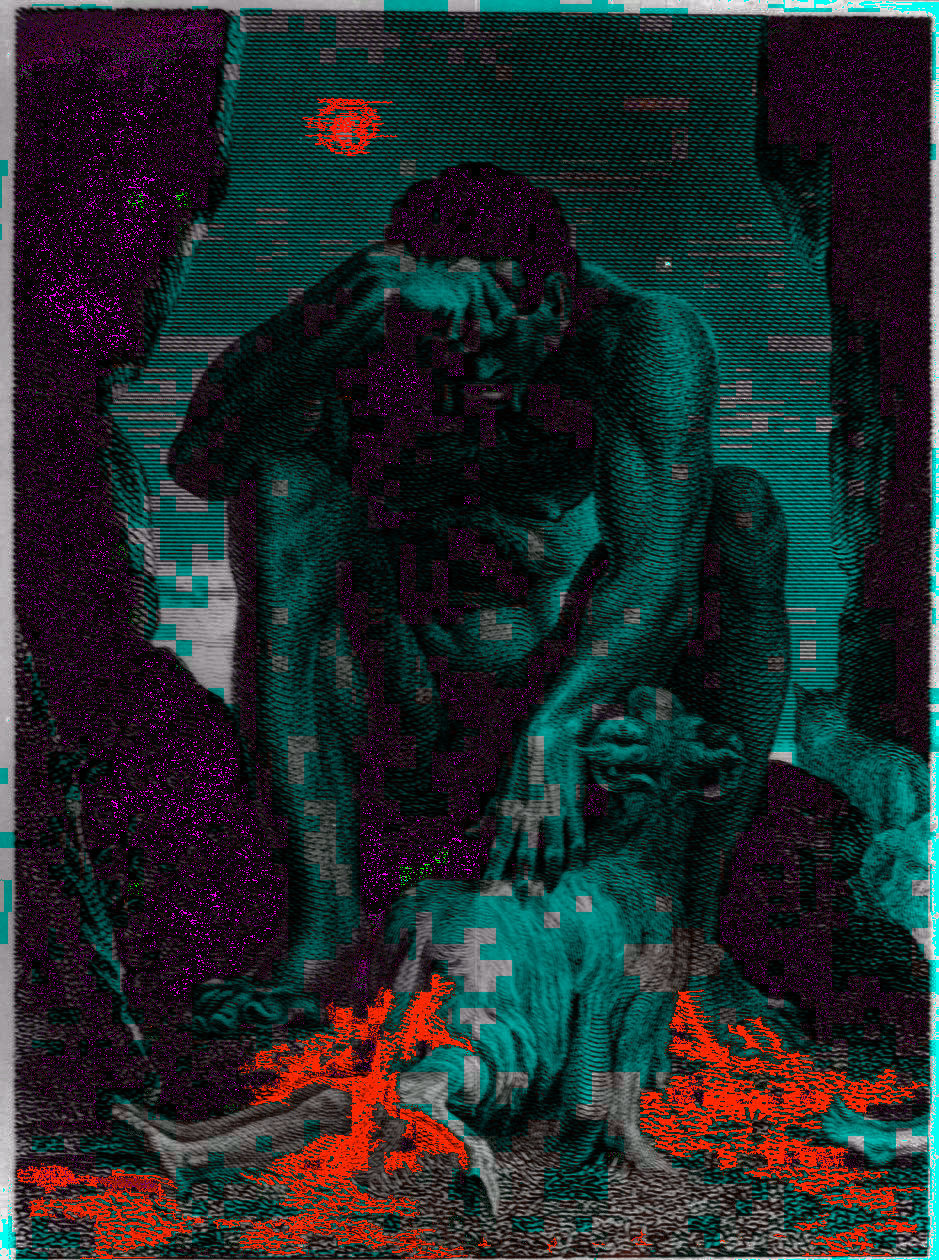
When Polyphemus asks who blinded him, Ulysses answers: οὐθείς — nobody. The Cyclops calls for help: "Nobody has blinded me!" No help comes. Ulysses slips away, clinging to the belly of the ram.
It's a trick, but also a stance: by refusing to be named, captured, pinned down, Odysseus remains free to act.
outheis carries this into AI interaction. The system knows you — but only locally, only under your control, only in service of your work.
What it is
What it is
A multi-agent AI assistant running locally. A second brain — private, human-centric, yours. Built as infrastructure, not as a product. Works as personal assistant (1:1) or domain expert (many:1).
Sovereignty
Sovereignty
- Your data stays on your machine. No cloud, no capture.
- The assistant learns from you. The learning belongs to you.
- Append-only logs. No hidden state.
- Markdown and JSON. Portable, readable, no lock-in.
Architecture
Architecture
Different agents, each responsible for a defined task. Acting like a single entity. Proven operating system design principles: coordinated through messages, explicit capabilities, fault-isolated.
Read more
About
About
outheis is built by Markus Schatzl. If you're interested in the direction — as a user, collaborator, or philantropic investor — reach out: technology.culture@proton.me